Acne Scar Treatment: Best Options to Smooth and Restore Your Skin
Why Acne Scars Are Difficult to Treat With Home Remedies
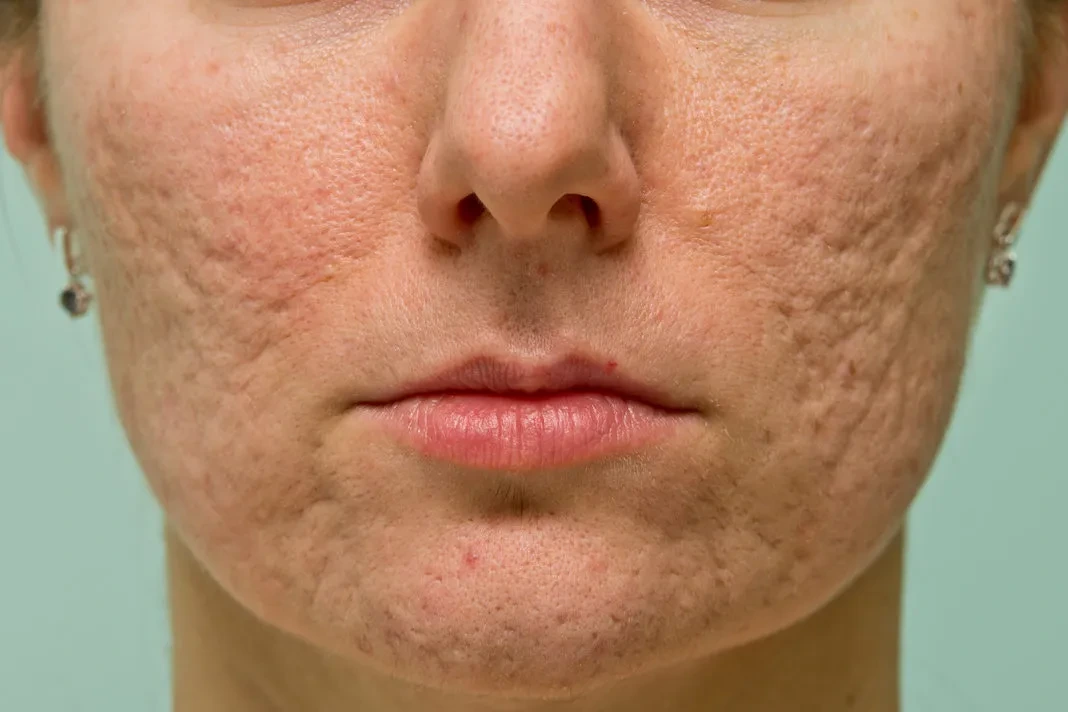
Acne scars develop when inflammation from severe or repeated acne damages the skin's deeper collagen structure. Depending on the type of damage, scars may appear as depressions such as icepick, boxcar, or rolling scars, or as raised scars such as hypertrophic scars and keloids. While skincare products may help improve pigmentation and overall skin texture, deeper acne scars often require professional treatments that target collagen remodelling and scar tissue.
Types of Acne Scars
Understanding the type of acne scar is important because different scars respond differently to treatment.
- Icepick scars – narrow, deep depressions that extend into the skin.
- Boxcar scars – wider depressions with clearly defined edges.
- Rolling scars – shallow, uneven depressions that create a wave-like texture.
- Post-inflammatory hyperpigmentation – dark marks left after acne that are pigmentation rather than true scars.
- Hypertrophic scars and keloids – raised areas caused by excess scar tissue.
How Acne Scars Are Diagnosed
A dermatologist examines the skin to determine the type, depth, distribution, and severity of the scars. Skin type and the presence of active acne are also considered before selecting a treatment.
Some patients have more than one type of scar, meaning a combination of treatments may be required rather than a single procedure. A personalised assessment helps determine which treatment or combination is most appropriate.
Effective Treatments for Acne Scars
CO2 Fractional Laser
CO2 fractional laser creates controlled microscopic injuries in the skin to stimulate collagen production and remodelling. As new collagen develops, depressed acne scars can gradually become less noticeable and the overall skin texture may improve.
The number of sessions required depends on scar depth, severity, and individual response.
MNRF (Microneedling Radiofrequency)
MNRF combines microneedling with radiofrequency energy to stimulate collagen production at different depths within the skin. It can be useful for rolling and boxcar scars and may be considered for patients looking for controlled collagen remodelling.
Treatment settings are adjusted according to skin type, scar characteristics, and the area being treated.
Chemical Peels
Medical-grade chemical peels can help improve superficial pigmentation, uneven skin tone, and certain mild textural concerns associated with acne. They may also be incorporated into a broader acne-scar treatment plan when pigmentation is present alongside scars.
Subcision
Subcision is particularly useful for certain rolling scars that are tethered to deeper tissue. A fine needle is used to release the fibrous bands beneath the scar, allowing the depressed skin to lift and improve in appearance.
Dermal Fillers
For selected deep, depressed scars, dermal fillers may be used to provide additional elevation after or alongside procedures such as subcision. Whether fillers are appropriate depends on the scar type, depth, skin characteristics, and overall treatment goals.
Why Combination Treatment May Be Needed
No single procedure is ideal for every type of acne scar. For example, a patient may have rolling scars in one area, deeper boxcar scars in another, and pigmentation left behind from previous acne.
A dermatologist may therefore combine treatments such as CO2 fractional laser, MNRF, subcision, chemical peels, or fillers to address different aspects of scarring. Combination treatment is planned according to the individual's skin and scar pattern rather than following the same protocol for everyone.
What Determines Your Treatment Plan?
Several factors influence the choice of treatment, including:
- Type and depth of acne scars
- Number and distribution of scars
- Skin tone and sensitivity
- Presence of pigmentation
- Whether active acne is still present
- Previous acne scar treatments
- Expected downtime and individual treatment goals
Multiple sessions are commonly required because collagen remodelling occurs gradually. Sessions may be spaced several weeks apart to allow the skin to recover and the treatment response to develop.
Can Acne Scars Be Treated if You Still Have Active Acne?
Active, inflamed acne is generally addressed before intensive scar procedures. Treating significant active inflammation first can help reduce the formation of new scars and allows the dermatologist to plan scar treatment more effectively.
Once acne is adequately controlled, procedures for existing scars can be introduced according to the patient's skin condition and treatment needs.
What to Expect After Acne Scar Treatment
Depending on the procedure, temporary redness, swelling, sensitivity, peeling, or mild crusting may occur. The intensity and duration of downtime vary between treatments and individual patients.
Aftercare may include:
- Using sunscreen regularly and protecting the treated skin from excessive sun exposure.
- Following the prescribed skincare routine.
- Avoiding picking or scratching peeling or crusted areas.
- Using recommended moisturisers or soothing products.
- Avoiding irritating active skincare ingredients until the skin has recovered.
- Following the dermatologist's instructions regarding exercise, makeup, and other activities.
When Will You See Results?
Acne scar improvement is usually gradual rather than immediate. Treatments that stimulate collagen require time for the skin to remodel and develop new collagen.
Some improvement may become noticeable after the initial sessions, while more significant changes can continue to develop over the following months. The final outcome depends on the scar type, treatment method, number of sessions, and individual healing response.
Why Choose AK Skin, Hair & Laser Clinic?
AK Skin, Hair & Laser Clinic, Hastinapuram, Hyderabad, provides personalised acne scar treatment under the clinical guidance of Dr. N. Arun, M.D. With advanced treatment options such as CO2 fractional laser and MNRF, the clinic focuses on evaluating the specific scar pattern, skin type, and severity before developing an individualised treatment plan.
Conclusion
Acne scars can often be significantly improved with the right combination of treatments, although complete removal is not always realistic. Procedures such as CO2 fractional laser, MNRF, subcision, chemical peels, and fillers can help reduce scar depth and improve overall skin texture when appropriately selected. A dermatologist-led treatment plan can help achieve more natural and gradual improvement while taking your skin type and individual scar pattern into consideration.
Frequently Asked Questions (FAQs)
Q. Can acne scars be completely removed?
Most treatments significantly reduce the visibility and depth of acne scars, though complete removal isn't always realistic; the goal is a smoother, more even skin texture.
Q. How many sessions are needed for acne scar treatment?
Most patients need 4 to 6 sessions of laser or MNRF treatment, spaced 4 to 6 weeks apart, depending on scar severity.
Q. Is acne scar treatment painful?
Numbing cream is applied before procedures like CO2 laser and MNRF, making the treatment tolerable for most patients, with mild discomfort during the session.
Q. How long is the downtime after acne scar treatment?
Redness and peeling typically last 3 to 7 days depending on the treatment intensity, after which normal activities can be resumed with sun protection.
Q. Can acne scar treatment be done on active acne?
Active, inflamed acne is usually treated first, since scar treatment on inflamed skin can worsen irritation; your dermatologist will sequence your treatment plan accordingly.