
GFC Treatment for Hair Loss: How Growth Factor Concentrate Supports Hair Regrowth
What Is GFC Treatment for Hair Loss?
Growth Factor Concentrate (GFC) is a non-surgical hair restoration treatment that uses growth factors derived from the patient's own blood. These growth factors contain signalling proteins that may support the activity of weakened hair follicles and encourage healthier hair growth.
GFC is generally considered for patients experiencing early to moderate hair thinning, where hair follicles are still present but producing progressively thinner or weaker hair. It is not a replacement for a hair transplant when an area has advanced, established baldness with insufficient functioning follicles.
Why Does Hair Loss Happen?
Hair fall can occur for many different reasons, and identifying the underlying cause is an important part of treatment. Common causes include:
- Androgenetic alopecia – genetic or pattern hair loss affecting men and women.
- Hormonal changes – including changes associated with pregnancy, thyroid disorders, or other hormonal conditions.
- Nutritional deficiencies – inadequate iron, vitamin D, protein, or other nutrients may contribute to hair shedding.
- Stress and lifestyle factors – prolonged stress, inadequate sleep, crash dieting, and significant weight changes can affect the hair-growth cycle.
- Scalp conditions – dandruff, seborrheic dermatitis, inflammation, or certain infections can contribute to hair loss.
- Hairstyling practices – frequent chemical treatments excessive heat, or tight hairstyles may contribute to hair breakage and traction-related hair loss.
Because different causes require different approaches, a proper scalp and medical assessment should come before starting GFC treatment.
How Does GFC Support Hair Growth?
Hair follicles naturally move through different stages of growth and rest. In some types of hair loss, follicles gradually become weaker and produce thinner hair.
GFC contains concentrated growth factors that may support the cellular signalling involved in the hair-growth process. When injected into selected areas of the scalp, these growth factors are intended to create a supportive environment for weakened follicles.
The response varies from person to person and depends on the cause and stage of hair loss. GFC should therefore be viewed as a treatment that may support hair growth rather than a guaranteed cure for every type of hair loss.
How Is GFC Treatment Performed?
GFC treatment is performed as an outpatient procedure and generally does not require surgery or stitches.
Step 1: Scalp and Hair Assessment
The scalp, hair density, pattern of thinning, and quality of the donor area are evaluated. Depending on the patient's history and symptoms, blood tests may also be recommended to identify nutritional, hormonal, or other factors contributing to hair loss.
Step 2: Blood Collection
A small amount of the patient's own blood is collected using a standard blood-drawing procedure.
Step 3: GFC Preparation
The blood sample is processed using a specialised preparation system designed to obtain a concentrated growth-factor preparation. The resulting concentrate is prepared for application to the scalp.
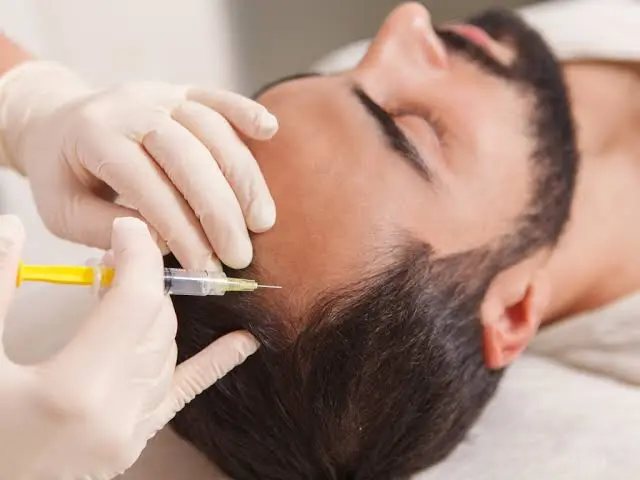
Step 4: Scalp Injections
After preparing the treatment area, the GFC preparation is injected into selected areas of scalp thinning using fine needles. Topical or local numbing measures may be used to improve comfort.
The procedure generally takes around 45 to 60 minutes, although the duration can vary depending on the treatment area and individual requirements.
Is GFC Treatment Painful?
Most patients experience mild discomfort, pressure, or brief pinching sensations during the injections rather than significant pain. Numbing cream or other comfort measures may be used before the procedure.
Temporary redness, mild swelling, or tenderness can occur at the injection sites but usually settles within a short period.
Benefits of GFC Treatment for Hair Loss
Depending on the underlying cause and stage of hair loss, potential benefits of GFC may include:
- Supporting weakened or miniaturised hair follicles.
- Helping reduce excessive hair shedding in suitable patients.
- Supporting thicker and stronger hair growth over time.
- Improving overall hair density in selected areas.
- Providing a non-surgical treatment option for early-stage thinning.
- Potentially complementing other hair-restoration treatments when recommended by a dermatologist.
Results vary depending on the individual's diagnosis, follicle health, and response to treatment.
Who Is a Good Candidate for GFC?
GFC may be considered for patients with early to moderate hair thinning where viable follicles are still present. It may be useful in selected cases of:
- Early male pattern hair loss
- Female pattern hair thinning
- Diffuse hair shedding
- Certain cases of stress-related hair loss
- Selected cases of postpartum hair shedding
- Hair thinning associated with nutritional or lifestyle factors after the underlying issue has been addressed
Patients with advanced bald areas where follicles are no longer functioning may benefit more from a hair transplant evaluation rather than GFC alone.
When Is GFC Not the Right Treatment?
GFC is not suitable for every type of hair loss. If hair loss is caused by an untreated scalp infection, significant nutritional deficiency, hormonal disorder, scarring alopecia, or another underlying medical condition, that problem needs to be addressed appropriately.
Similarly, areas of longstanding baldness with little or no functioning follicular activity may not respond adequately to injectable growth-factor treatments. A dermatologist can determine whether GFC is appropriate after evaluating the scalp and cause of hair loss.
How Many GFC Sessions Are Needed?
The number of sessions depends on the type and severity of hair loss and the individual's response. A course may involve multiple sessions spaced several weeks apart, followed by maintenance treatments when appropriate.
There is no single session schedule that works for everyone. The treatment frequency should be determined after assessing the patient's scalp condition, hair-growth cycle, and response to previous sessions.
When Can You Expect Results?
GFC does not produce instant hair growth. Hair follicles require time to move through their natural growth cycle, so improvement generally develops gradually.
Some patients may notice reduced shedding before they notice visible new growth. Changes in hair thickness and density may become more apparent over the following months, with continued improvement depending on the underlying cause and treatment response.
GFC and Hair Transplant: Can They Be Combined?
GFC may sometimes be used alongside a hair-transplant treatment plan. The objective may be to support the health of existing hair or complement the overall hair-restoration strategy.
However, GFC and hair transplantation serve different purposes. GFC is intended to support existing weakened follicles, while a hair transplant moves hair follicles from a suitable donor area to areas affected by baldness.
A dermatologist can determine whether combining treatments is appropriate for an individual patient.
Aftercare Following GFC Treatment
Aftercare is generally simple because GFC is a non-surgical procedure. Patients may be advised to:
- Avoid washing the scalp for the period recommended by the treating doctor.
- Avoid scratching or vigorously rubbing the injection sites.
- Avoid harsh chemical hair treatments immediately after the procedure.
- Follow any prescribed medications or supplements.
- Protect the scalp from excessive sun exposure.
- Follow the recommended treatment schedule for subsequent sessions.
Specific instructions may vary depending on the patient's scalp condition and other treatments being performed.
Are There Any Side Effects?
Because GFC is prepared from the patient's own blood, allergic reactions are uncommon. However, temporary effects such as redness, tenderness, mild swelling, or small bruises can occur at injection sites.
As with any procedure involving injections, infection or other complications are possible, although appropriate sterile technique and medical supervision help minimise these risks.
Why Is Diagnosis Important Before GFC?
Hair loss can look similar on the surface while having very different underlying causes. Treating hair loss without identifying the cause may lead to disappointing results.
A dermatologist may assess the pattern of hair loss, scalp health, family history, medications, nutritional factors, hormonal factors, and other relevant medical history. Where appropriate, blood investigations or additional scalp evaluation may be recommended before creating a treatment plan.
Why Choose AK Skin, Hair & Laser Clinic?
AK Skin, Hair & Laser Clinic, Hastinapuram, Hyderabad, provides personalised hair-loss and hair-restoration treatments under the clinical guidance of Dr. N. Arun, M.D. GFC treatment is planned after assessing the patient's scalp, hair-loss pattern, follicle condition, and potential contributing factors. Rather than following a fixed protocol for every patient, the treatment approach is customised according to individual needs and realistic expectations.
Conclusion
GFC can be a useful non-surgical option for selected patients with early to moderate hair thinning, particularly when viable hair follicles are still present. Since hair loss can have multiple causes, proper diagnosis is essential before beginning treatment. A personalised approach that combines appropriate medical management with treatments such as GFC when suitable can help support healthier hair growth and improve overall hair density over time.
Frequently Asked Questions (FAQs)
Q. Is GFC better than PRP?
GFC and PRP are different preparation methods that aim to use growth factors derived from the patient's own blood. The appropriate treatment depends on the individual's hair-loss pattern, scalp condition, and treatment goals rather than assuming one option is universally better.
Q. How long does a GFC session take?
A typical session may take approximately 45 to 60 minutes, including preparation and treatment, although the exact duration can vary.
Q. Can GFC regrow hair on a completely bald scalp?
GFC works best when viable hair follicles are still present. Areas with advanced, longstanding baldness and little or no functioning follicles may be better evaluated for hair transplantation.
Q. Is there any downtime after GFC?
GFC is a non-surgical procedure and generally has minimal downtime. Mild redness, tenderness, or swelling may occur temporarily around the injection sites.
Q. How many GFC sessions are required?
The number of sessions varies depending on the cause and severity of hair loss and the individual's response. A dermatologist will recommend a suitable treatment schedule after evaluating your scalp and hair condition.
Q. Can GFC stop hair fall permanently?
GFC may help reduce shedding and support hair growth in suitable patients, but it does not permanently eliminate every cause of hair loss. Ongoing treatment or medical management may be required depending on the underlying condition.
Q. Can GFC be used for both men and women?
Yes. GFC may be considered for selected men and women with suitable types and stages of hair thinning. The treatment plan is determined based on the cause, pattern, and severity of hair loss.