
Pigmentation and Dark Spots: Causes, Treatments, and Long-Term Solutions
What Causes Skin Pigmentation?
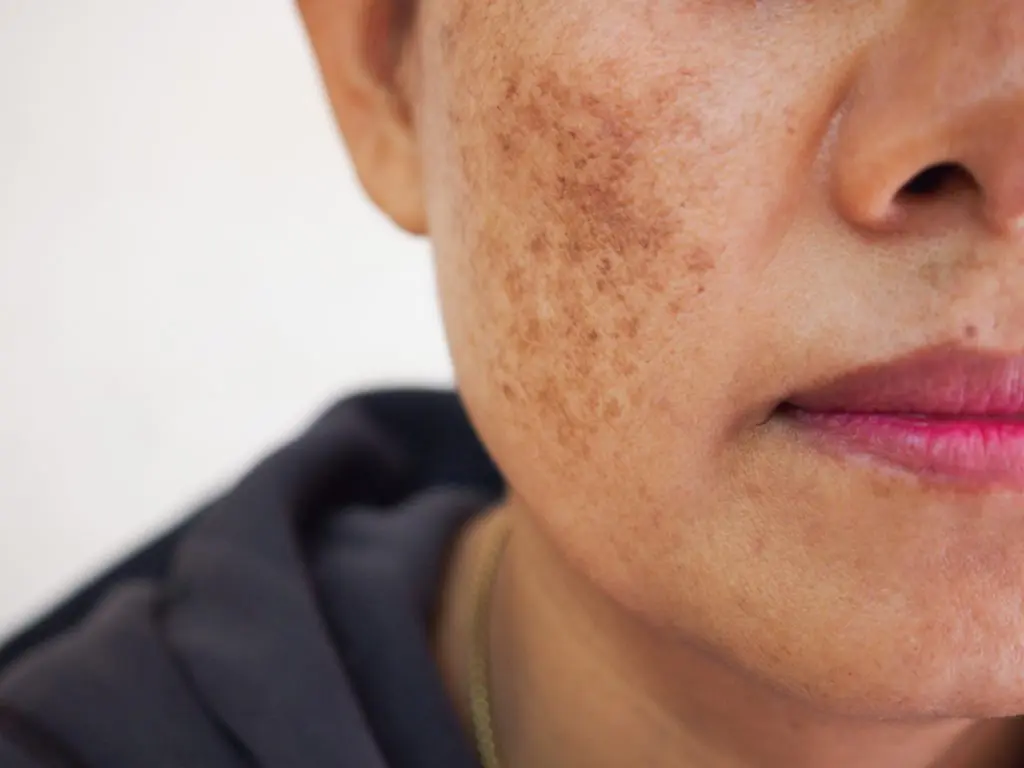
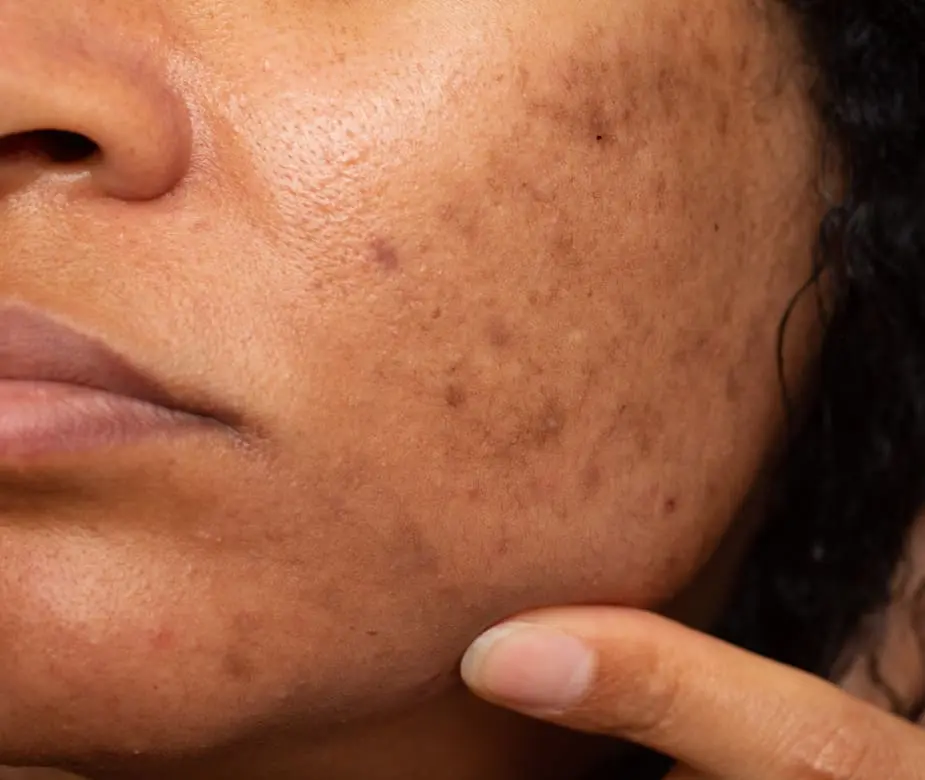
Pigmentation occurs when the skin produces excess melanin, either in patches (melasma), spots (sun spots, age spots), or as dark marks left behind after acne or injury (post-inflammatory hyperpigmentation). Given Hyderabad's intense sun exposure, pigmentation and dark spot treatment is one of the most consistently searched dermatology concerns in the city, affecting both men and women across age groups.
Common Types of Pigmentation
- Melasma – symmetrical brown-grey patches, often on cheeks and forehead
- Post-inflammatory hyperpigmentation – dark marks after acne or injury
- Sun spots / age spots – flat brown spots from cumulative UV exposure
- Periorbital hyperpigmentation – dark circles around the eyes
- Freckles – genetic, sun-triggered small brown spots
How Pigmentation Is Diagnosed
Correctly identifying the type of pigmentation is critical, since melasma, for instance, requires a very different approach compared to sun spots or acne marks, and using the wrong treatment can actually worsen melasma. Dr. Arun examines the pattern, depth, and triggers of pigmentation, sometimes using a Wood's lamp, before recommending treatment.
Treatment Options
Topical Depigmenting Agents
Prescription-strength creams containing ingredients that inhibit melanin production are often the first line of treatment, used under medical supervision to avoid skin irritation.
Chemical Peels
Medical-grade peels help exfoliate pigmented surface layers and even out skin tone over a series of sessions.
Q-Switched and PICO Laser
These lasers target melanin deposits directly, breaking them down for the body to naturally clear, and are particularly effective for stubborn sun spots and certain types of pigmentation.
Carbon Peel Laser Facial
Also known as the Hollywood facial, this treatment brightens overall skin tone and reduces mild pigmentation while improving pore appearance.
Preventing Pigmentation From Worsening
- Use broad-spectrum SPF 30+ sunscreen daily, even indoors
- Avoid picking at acne, which triggers post-inflammatory dark marks
- Wear a hat or use an umbrella during peak sun hours
- Stick to the full prescribed treatment course rather than stopping early
Why Choose AK Skin, Hair & Laser Clinic
Pigmentation treatment requires patience and the right combination approach, and Dr. N. Arun's clinic tailors treatment plans based on pigmentation type and skin sensitivity, helping avoid the common mistake of over-treating and worsening pigmentation.
Conclusion
Pigmentation and dark spots can have different causes, so identifying the type of pigmentation is an important first step toward effective treatment. With the right combination of medical skincare, peels, or laser-based treatments, pigmentation can be significantly improved. If you are considering pigmentation and dark spot treatment, a dermatologist-led approach can help select the right treatment based on your skin type, pigmentation pattern, and individual needs.
Frequently Asked Questions (FAQs)
Q. Can pigmentation be permanently removed?
Many types of pigmentation respond very well to treatment and can fade significantly, though ongoing sun protection is essential to prevent recurrence.
Q. Is melasma treatment different from regular pigmentation treatment?
Yes, melasma is more sensitive to aggressive treatments and requires a gentler, carefully monitored approach to avoid worsening the condition.
Q. How long does pigmentation treatment take to show results?
Visible lightening is generally noticeable within 4 to 8 weeks, though full results can take 3 to 6 months depending on the type and depth of pigmentation.
Q. Does pigmentation come back after treatment?
It can, especially with continued sun exposure or hormonal triggers, which is why daily sunscreen use is strongly emphasised even after successful treatment.
Q. Are laser treatments for pigmentation safe for Indian skin tones?
Yes, when performed by an experienced dermatologist using the correct laser settings for your specific skin type, these treatments are considered safe.