
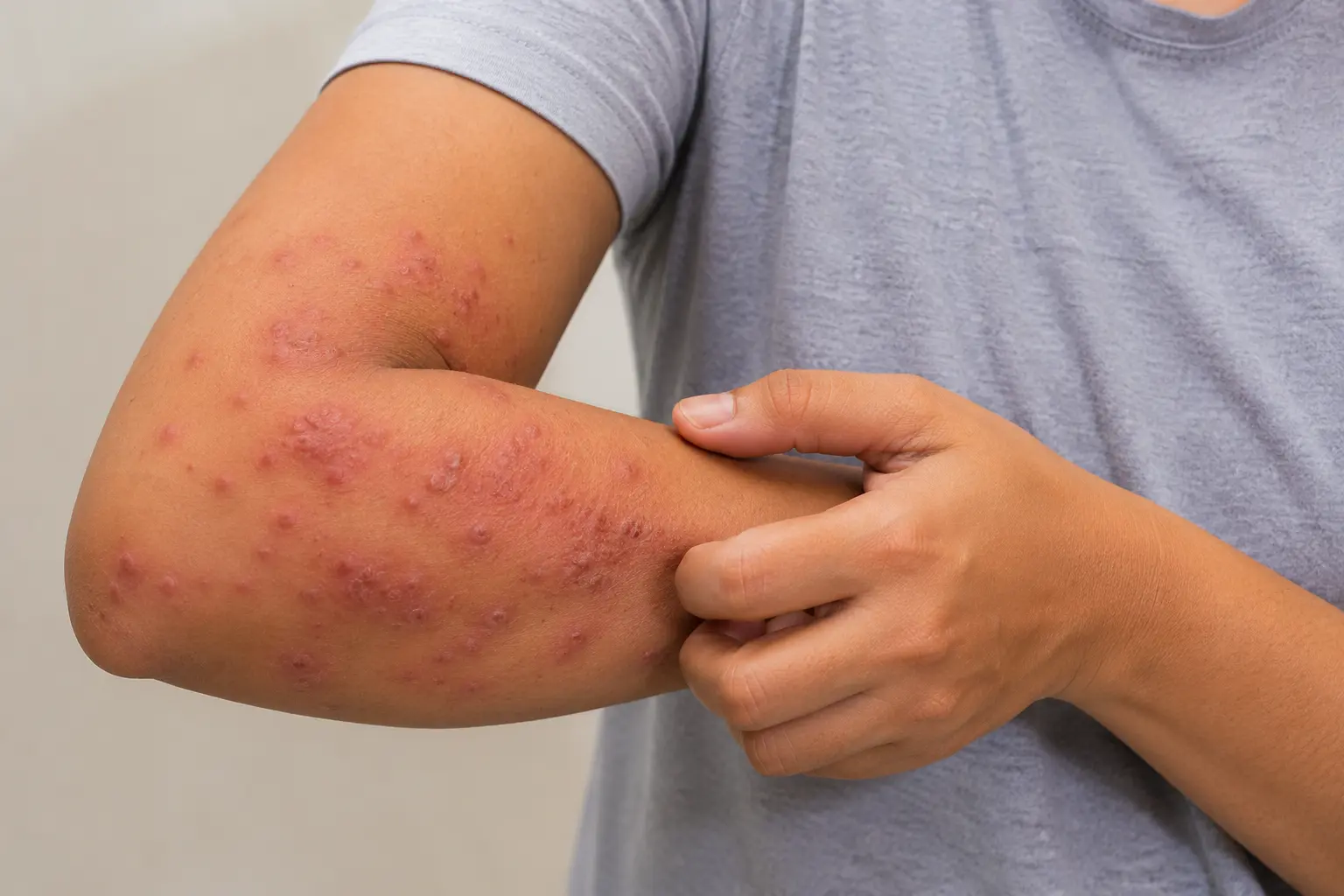
Skin Rash Problems? Know the Cause Before Treatment
Why Rashes Need Proper Diagnosis, Not Guesswork
A skin rash can develop due to many different causes, including allergic reactions, infections, eczema, heat, medications, or skin irritants. Since different rashes require different treatments, using the wrong cream or medication can sometimes worsen the condition or delay recovery. This is why skin rash treatment in Hyderabad should begin with an accurate diagnosis and identification of the underlying cause.
Common Causes of Skin Rashes
Some of the most common causes of skin rashes include:
- Allergic contact dermatitis – triggered by cosmetics, jewellery, detergents, fragrances, or other substances that come into contact with the skin.
- Heat rash (miliaria) – commonly occurs in hot and humid weather and can cause small, itchy or prickly bumps.
- Fungal infections – may cause redness, itching, scaling, or ring-shaped patches on the skin.
- Bacterial infections – can sometimes cause redness, swelling, tenderness, or oozing.
- Eczema (atopic dermatitis) – often causes dry, itchy, inflamed, and sensitive skin.
- Drug reactions – certain medicines can cause skin rashes or widespread allergic reactions.
- Hives (urticaria) – typically appear as raised, itchy patches or welts that may come and go.
- Viral infections – some viral illnesses can also produce widespread skin rashes.
What Symptoms Can Accompany a Rash?
The appearance of a rash can vary depending on its cause. You may experience:
- Redness or changes in skin colour
- Itching or burning
- Dryness and scaling
- Small bumps or raised patches
- Blisters or fluid-filled lesions
- Swelling or tenderness
- Oozing or crusting
Not every rash looks the same, which is why examining its pattern, location, duration, and associated symptoms is important for diagnosis.
Warning Signs That Need Prompt Medical Attention
Some rashes may require prompt medical evaluation. Seek medical attention if a rash is accompanied by:
- Fever, breathing difficulty, or facial swelling
- Rapidly spreading redness or rash
- Painful blistering or extensive skin peeling
- Significant swelling or severe pain
- Signs of infection such as pus or increasing warmth
- A rash that does not improve after a few days of appropriate care
Skin Rash Treatment: Why the Cause Matters
Treatment depends on what is causing the rash. An allergic rash may require antihistamines and appropriate topical medication, while a fungal infection requires antifungal treatment. Eczema may need moisturisers, prescription creams, and trigger avoidance, whereas certain bacterial infections may require specific antibacterial treatment.
The objective is to treat the underlying cause while also controlling symptoms such as itching, redness, dryness, and inflammation. Avoiding unnecessary combination creams or self-medication is important because some products may temporarily reduce symptoms without treating the actual cause.
Common Treatment Options for Skin Rashes
Depending on the diagnosis, a dermatologist may recommend:
- Antihistamines – may help relieve itching associated with allergies or hives.
- Topical corticosteroids – may be prescribed for certain inflammatory skin conditions to reduce redness and inflammation.
- Antifungal medicines – used when a fungal infection is responsible for the rash.
- Antibacterial treatment – may be required for selected bacterial skin infections.
- Moisturisers and barrier-repair creams – help restore and protect the skin barrier, particularly in dry or eczema-prone skin.
- Trigger avoidance – identifying and avoiding products, substances, medicines, or environmental factors that trigger the rash can help prevent recurrence.
- Additional investigations – persistent, recurrent, or unusual rashes may require further testing to confirm the diagnosis.
Treatment duration can vary depending on the cause, severity, location, and response to therapy. Following the complete treatment plan is important even when symptoms begin to improve.
What You Should Avoid When You Have a Rash
Self-treating an unexplained rash can sometimes make the condition more difficult to diagnose or control. Avoid repeatedly applying multiple creams without medical advice, especially combination creams containing steroids. Scratching the affected area can also damage the skin and increase the risk of infection.
If a new skincare product, cosmetic, detergent, or other substance appears to trigger the rash, discontinue its use and discuss the possible trigger with a dermatologist.
Preventing Common Skin Rashes
A few simple measures can help reduce the risk of developing or worsening certain rashes:
- Wear loose, breathable clothing in hot and humid weather.
- Keep the skin clean and dry, particularly in skin folds.
- Patch test new cosmetics or skincare products when appropriate.
- Avoid known personal triggers once they have been identified.
- Use moisturisers regularly if you have dry or sensitive skin.
- Avoid scratching irritated areas.
- Follow prescribed treatment properly to reduce the chance of recurrence.
Why Choose AK Skin, Hair & Laser Clinic, Hastinapuram, Hyderabad?
With extensive experience in diagnosing and treating a wide range of skin conditions, AK Skin, Hair & Laser Clinic, Hastinapuram, Hyderabad, provides personalised dermatological care under the clinical guidance of Dr. N. Arun, M.D. The clinic focuses on identifying the underlying cause of a rash before recommending treatment, helping patients receive an appropriate treatment plan based on their symptoms, skin condition, and individual needs.
Conclusion
Skin rashes can result from many different conditions, and the right treatment depends on identifying the underlying cause. With proper diagnosis and appropriate medical treatment, most common rashes can be effectively managed. If you are experiencing a persistent, recurrent, or unexplained rash, consulting a dermatologist can help you receive the right skin rash treatment without relying on guesswork or unsuitable self-medication.
Frequently Asked Questions (FAQs)
Q. When should I see a dermatologist for a rash?
If a rash persists beyond a few days, spreads rapidly, or is accompanied by fever or breathing difficulty, prompt medical evaluation is recommended.
Q. Can stress cause skin rashes?
Yes, stress can trigger or worsen certain rash-related conditions like hives and eczema, even without a new external trigger.
Q. Are all rashes contagious?
No, many rashes, such as those from allergies or eczema, are not contagious, while some infectious rashes can spread through contact; a dermatologist can clarify this for your specific case.
Q. How quickly do rashes typically clear with treatment?
With the correct diagnosis and treatment, most rashes show noticeable improvement within a few days to two weeks, depending on the underlying cause.
Q. Should I stop using all skincare products if I develop a rash?
It's generally wise to simplify your skincare routine and avoid new products until the rash is evaluated and the trigger identified.