
Vitiligo Treatment: Causes, Symptoms and Repigmentation Options
What Is Vitiligo?
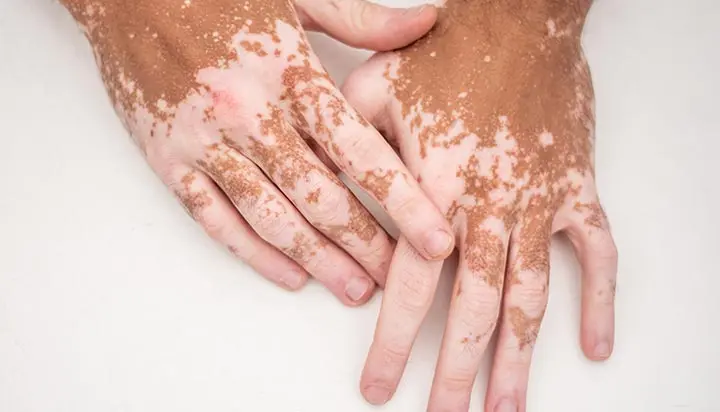
Vitiligo is a chronic skin condition in which pigment-producing cells called melanocytes are lost or damaged, resulting in white or lighter patches on the skin. It can affect different areas of the body, including the face, hands, feet, arms, and other parts of the skin. Vitiligo is not contagious and is not life-threatening, but its visible appearance can affect confidence and emotional well-being, making appropriate vitiligo treatment in Hyderabad an important concern for many patients.
What Causes Vitiligo?
Vitiligo is commonly associated with an autoimmune process in which the immune system mistakenly targets melanocytes. The exact cause can vary from person to person. Factors such as family history, skin trauma, sunburn, and significant stress may play a role in triggering or worsening the condition in some individuals.
Common Types of Vitiligo
Vitiligo can appear in different patterns depending on the areas affected and how extensively the patches are distributed.
- Non-segmental vitiligo – often affects both sides of the body and may gradually involve multiple areas.
- Segmental vitiligo – usually affects one particular area or side of the body and may become stable after a period of progression.
- Localised vitiligo – limited to a small number of patches in specific areas.
- Generalised vitiligo – involves multiple areas across the body.
Identifying the pattern and activity of vitiligo helps a dermatologist determine the most appropriate treatment approach.
How Is Vitiligo Diagnosed?
Diagnosis is usually based on a clinical examination of the affected skin and the pattern of pigment loss. A dermatologist may assess whether the condition is stable or actively spreading and examine the extent and distribution of the patches.
In some cases, a Wood's lamp examination may be used to make depigmented areas more visible and assist with assessment. A detailed medical and family history may also help identify associated factors and guide treatment planning.
Vitiligo Treatment Options
Treatment is selected based on factors such as the location and size of the patches, how long the condition has been present, whether new patches are developing, and the patient's age and overall skin condition.
Topical Medical Treatments
Prescription creams or ointments may be recommended for localised vitiligo. These can include topical corticosteroids or calcineurin inhibitors, depending on the location and individual circumstances. Treatment is generally monitored by a dermatologist to balance effectiveness with the risk of potential side effects.
Excimer Laser Therapy
Excimer laser therapy delivers targeted ultraviolet light to selected vitiligo patches. It can be particularly useful for smaller, localised areas where focused treatment is preferred. Multiple sessions may be required, and improvement usually occurs gradually.
Narrowband UVB Phototherapy
For patients with more widespread vitiligo, narrowband UVB (NB-UVB) phototherapy can help stimulate repigmentation over larger areas. Treatment is performed according to a planned schedule under dermatological supervision, with the response monitored over time.
Vitiligo Skin Grafting
For selected patients with stable vitiligo that has not responded adequately to medical or light-based treatments , surgical options such as skin grafting may be considered. These procedures involve transferring pigment-containing cells or skin from an unaffected area to a depigmented area. Surgical treatment is generally considered only after assessing disease stability and suitability.
Other Factors That May Affect Treatment
Vitiligo does not respond to treatment in exactly the same way for every patient. The location of the patches, their size, duration, disease activity, and the treatment method used can all influence the outcome.
Patches on the face and neck often respond better to repigmentation treatments than areas such as the fingertips, palms, soles, or joints. Early assessment can also be beneficial because it allows disease activity to be evaluated and treatment to be started when appropriate.
What Can You Expect During Vitiligo Treatment?
Repigmentation is usually a gradual process and may take several months. The initial signs of improvement may appear as small areas of pigmentation around hair follicles or along the edges of white patches before the colour gradually becomes more noticeable.
The number and frequency of treatment sessions depend on the chosen treatment, affected areas, and individual response. Regular follow-up is important so that the dermatologist can assess progress and modify the treatment plan when necessary.
Can Vitiligo Be Completely Cured?
Vitiligo is a chronic condition, and there is currently no guaranteed treatment that permanently restores pigment in every patient. However, appropriate treatment can stimulate repigmentation and help control the condition in many patients.
Treatment goals should therefore be realistic and personalised. Some patients may achieve substantial repigmentation, while others may experience a more limited response depending on the affected areas and disease activity.
Living With Vitiligo
Along with medical treatment, certain measures can help protect the skin and support overall well-being:
- Use sun protection regularly, as depigmented skin is more vulnerable to sunburn.
- Avoid unnecessary skin trauma, as new patches may sometimes develop at sites of injury in susceptible individuals.
- Consider camouflage makeup if you wish to reduce the visibility of patches during treatment.
- Follow the prescribed treatment schedule consistently for the best opportunity to achieve improvement.
- Seek emotional support when needed, as living with a visible skin condition can sometimes affect confidence and quality of life.
Why Choose AK Skin, Hair & Laser Clinic, Hastinapuram, Hyderabad?
AK Skin, Hair & Laser Clinic, Hastinapuram, Hyderabad, provides personalised dermatological care under the clinical guidance of Dr. N. Arun, M.D. Vitiligo treatment is planned after assessing the type, extent, location, and stability of the condition. Depending on individual needs, treatment may involve topical medicines, light-based therapies, or surgical options for suitable stable cases.
Conclusion
Vitiligo treatment requires patience, consistency, and an individualised approach because repigmentation varies from person to person. Early evaluation and appropriate treatment can help manage the condition and improve pigmentation in suitable cases. If you are considering vitiligo treatment in Hyderabad, consulting an experienced dermatologist can help you understand your treatment options and set realistic expectations for repigmentation.
Frequently Asked Questions (FAQs)
Q. Can vitiligo be completely cured?
There is no guaranteed permanent cure, but many patients achieve significant repigmentation with appropriate, consistent treatment, especially when started early.
Q. Is vitiligo contagious?
No, vitiligo is an autoimmune condition and cannot spread through contact with another person.
Q. How long does vitiligo treatment take to show results?
Repigmentation is a gradual process that can take several months to over a year, depending on the treatment type and patch characteristics.
Q. Does stress cause vitiligo to spread?
Stress is considered a potential trigger that can worsen or accelerate vitiligo in some individuals, though it varies by person.
Q. Is vitiligo skin grafting suitable for everyone?
No, it's generally reserved for stable, non-spreading patches that haven't responded to medical treatment, and suitability is assessed individually.