
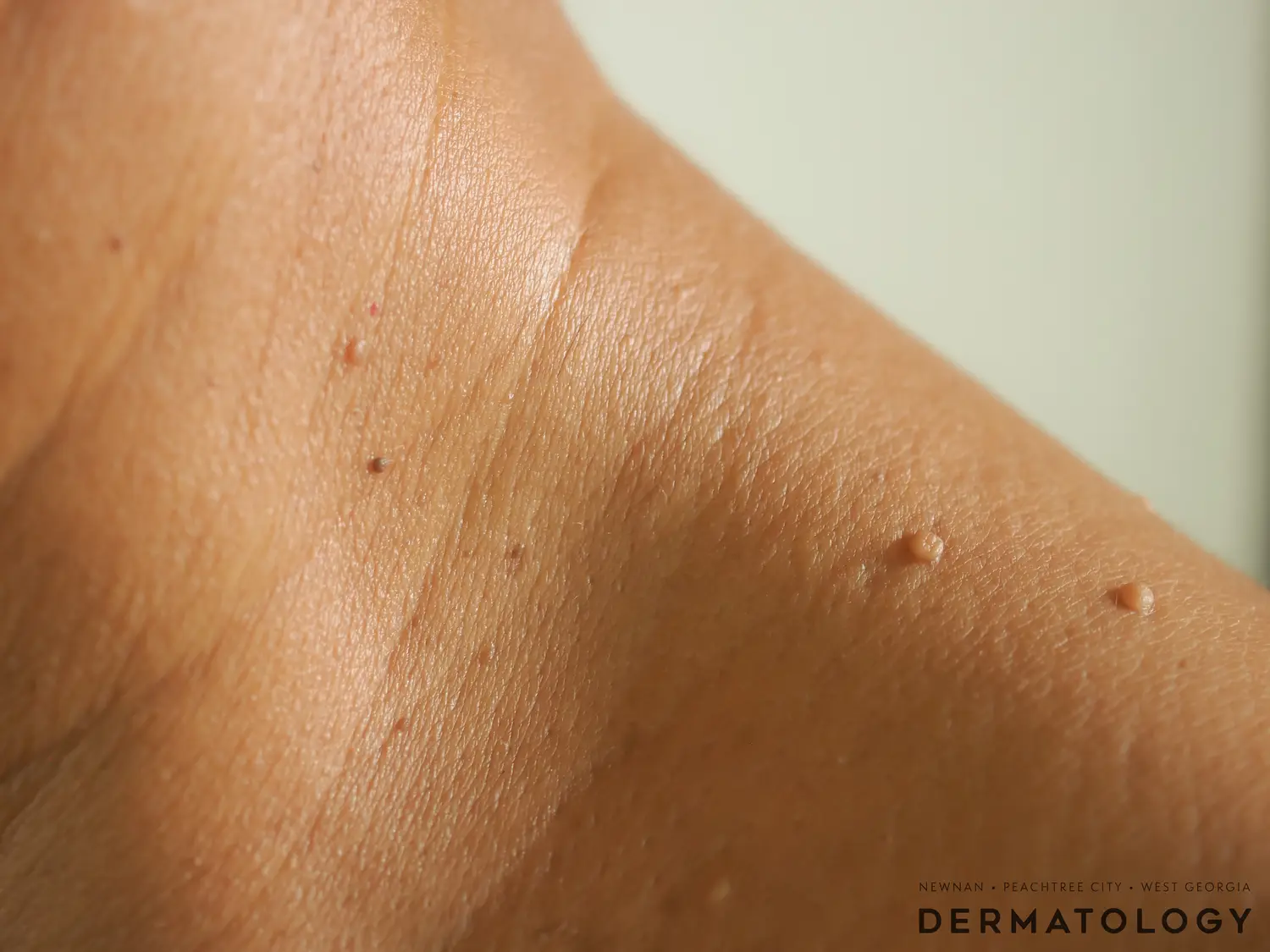
Wart, Mole, and Skin Growth Removal in Hyderabad: Safe and Precise Procedures
Understanding Warts, Moles, and Skin Growths
Skin growths come in many forms, warts caused by viral infection, moles that are typically benign pigmented growths, skin tags, and other benign lesions that develop over time. While most are harmless, removing them for cosmetic reasons or due to irritation from clothing or jewellery is one of the most common reasons patients seek mole and wart removal treatment in Hyderabad.
Common Types of Skin Growths
- Warts (viral, often on hands, feet, or face)
- Moles (congenital or acquired pigmented growths)
- Skin tags (soft, small growths, often in skin folds)
- Seborrheic keratosis (benign, wart-like growths common with age)
- Cysts and lipomas (deeper benign growths)
When Should a Mole Be Checked Before Removal?
While most moles are harmless, any mole showing asymmetry, irregular borders, colour variation, a diameter larger than a pencil eraser, or recent changes in appearance should be evaluated carefully before removal, as these can occasionally be signs of concern requiring further investigation. Dr. Arun examines each growth carefully before recommending removal to rule out anything requiring closer attention.
Removal Techniques Used
Laser Removal
Precise and minimally invasive, laser removal is commonly used for warts, skin tags, and smaller superficial growths with excellent cosmetic outcomes.
Radiofrequency (RF) Excision
RF-based removal offers precise excision with good haemostasis (bleeding control), often used for moles and larger growths.
Surgical Excision
For deeper growths like cysts or larger moles, minor surgical excision under local anaesthesia may be the most appropriate approach, sometimes with the sample sent for further examination if needed.
Recovery After Removal
- Mild redness or scabbing at the treated site for about a week
- Keep the area clean and follow post-procedure care instructions
- Avoid picking at healing scabs to minimise scarring
- Sun protection on treated areas helps prevent post-procedure pigmentation
Why Choose AK Skin, Hair & Laser Clinic
With advanced laser and radiofrequency technology alongside strong surgical experience, Dr. N. Arun offers safe, precise removal of skin growths with a careful eye for anything that warrants closer examination before treatment.
Conclusion
Warts, moles, skin tags, and other skin growths can often be removed safely and effectively when they are properly examined and the appropriate procedure is selected. Since some moles or growths may require further evaluation before removal, professional assessment is important. Depending on the type, size, depth, and location of the growth, laser removal, radiofrequency excision, or minor surgical excision may be recommended for safe and precise results.
Frequently Asked Questions (FAQs)
Q. Is mole or wart removal painful?
Local anaesthesia or numbing cream is used, so the procedure itself is generally comfortable, with only mild soreness afterward.
Q. Will mole removal leave a scar?
Minimal scarring is expected with modern removal techniques, though this can vary based on the size, depth, and location of the growth.
Q. How do I know if a mole needs to be checked by a doctor before removal?
Any mole with irregular borders, colour changes, asymmetry, or recent growth should be evaluated by a dermatologist before removal to rule out any concerns.
Q. Can warts come back after removal?
Since warts are caused by a virus, there is some chance of recurrence, especially if the underlying viral infection isn't fully cleared, though proper treatment minimises this risk.
Q. How long does recovery take after skin growth removal?
Most superficial removals heal within 1 to 2 weeks, while deeper surgical excisions may take slightly longer for complete healing.